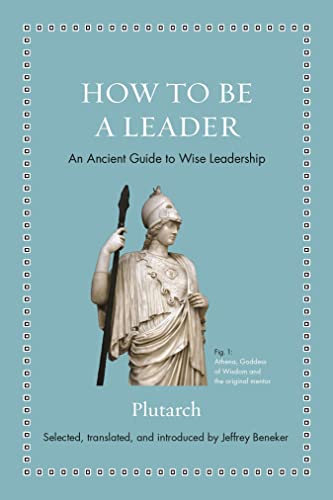
How to Be a Leader
An Ancient Guide to Wise Leadership
Jeffrey Beneker translates Plutarch's classic political essays, offering practical ancient counsel on governance, humility, and leadership.
As an Amazon Associate, Science Petal earns from qualifying purchases made through links at no additional cost to you.
About the Book
Classical essayist Plutarch offers timeless guidance on holding public office, managing ambition, and guiding fickle citizens with virtue.
True leadership is an art of moral persuasion and emotional self-restraint, not the accumulation of personal honors or executive vanity.
Key ideas
- Enter Politics for Duty, Not Glory: Those who seek office for vanity will crumble at the first wave of public ingratitude; anchor your motivation in service.
- Guide with Eloquence and Temperament: Rulers who rely on threats build resentment; lasting loyalty is earned through calm reason and consistent justice.
- Defuse Petty Envy with Humility: When recognized with public honors, deflect praise toward your team and ancestors to prevent toxic workplace jealousy.
Why You'll Love This Book
- Draws on Plutarch's political essays (Precepts of Statecraft, On Monarchy, Whether an Old Man Should Engage in Public Affairs), filled with sharp anecdotes of Pericles, Alexander, and Cato.
- Presents structured arguments and concrete examples without unnecessary academic jargon.
- Examines public service vs. vanity, persuasion over coercion, and managing political envy through concrete cases and practical examples.
- Gives readers a clear vocabulary and reference points they can revisit in everyday work.
Problem Solved
How to Be a Leader addresses the temptations and hazards of institutional authority:
- The Arrogance of Office: Warns leaders against letting public recognition corrupt their personal judgment and character.
- Public Ingratitude & Hostility: Equips leaders to withstand fickle popular sentiment without abandoning sound principles.
- Managing Workplace Jealousy: Teaches deliberate deflection of credit to foster harmony among ambitious subordinates.
Final Verdict
A timeless classical handbook on the moral duties and psychological discipline required to exercise authority cleanly.
“A leader must not only keep his hands clean, but his tongue clean and his mind free from arrogance.”
Compare Before You Decide

How to Be a Leader vs The Prince
How to Be a Leader by Plutarch focuses on public service vs. vanity (344 pages (~6.8h read)), whereas The Prince by Niccolò Machiavelli examines virtù vs. fortuna (112 pages (~2.5h read)).

How to Be a Leader vs The Pocket Oracle and Art of Prudence
How to Be a Leader by Plutarch focuses on public service vs. vanity (344 pages (~6.8h read)), whereas The Pocket Oracle and Art of Prudence by Baltasar Gracián examines the mastery of discretion and reserve (192 pages (~3.8h read)).