The Republic
Foundational Dialogue on Justice, Reason, and the Ideal State
Plato uses Socrates's dialogues to construct a philosophical blueprint examining justice, governance, education, and the nature of truth.
As an Amazon Associate, Science Petal earns from qualifying purchases made through links at no additional cost to you.
About the Book
The foundational dialogue exploring what constitutes a just person, the structure of the ideal society, and the Allegory of the Cave.
Justice in both the individual soul and the state requires harmony among reason, spirit, and appetite, with reason ruling over impulse.
Key ideas
- The Allegory of the Cave: Most people mistake shadows on the wall for reality; real education is the painful journey of turning toward the light of truth.
- The Tripartite Soul: True personal fulfillment occurs when rational intellect governs emotional spirit and physical appetite in balance.
- The Price of Indifference: The punishment for refusing to participate in politics is that you end up governed by your inferiors.
Why You'll Love This Book
- Introduces seminal Western philosophical concepts including the Philosopher-King, the tripartite soul, and the Allegory of the Cave, which questions how humans perceive reality.
- Presents structured arguments and concrete examples without unnecessary academic jargon.
- Examines the definition of justice, the allegory of the cave, and the tripartite soul through concrete cases and practical examples.
- Gives readers a clear vocabulary and reference points they can revisit in everyday work.
Problem Solved
The Republic addresses foundational questions of governance, truth, and personal character:
- Moral Relativism & Cynicism: Refutes Thrasymachus's claim that justice is merely the advantage of the stronger power.
- Sensory Deception & Popular Delusion: Provides the Cave allegory to expose how public opinion mistakes manufactured shadows for truth.
- Internal Conflict of Desires: Establishes a model of the tripartite soul where intellect governs passions to achieve mental peace.
Final Verdict
The foundational work of Western political thought that established the core debates of ethics, education, and government for 2,400 years.
“The society we have described can never grow into a reality or see the light of day, and there will be no end to the troubles of states, or indeed of humanity itself, till philosophers become kings in this world.”
Compare Before You Decide

The Republic vs The Prince
The Republic by Plato focuses on the definition of justice (416 pages (~8.5h read)), whereas The Prince by Niccolò Machiavelli examines virtù vs. fortuna (112 pages (~2.5h read)).
The Republic vs How to Be a Leader
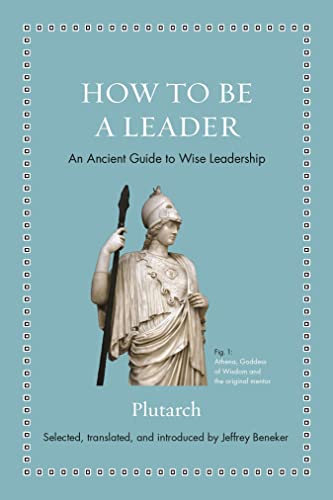
The Republic by Plato focuses on the definition of justice (416 pages (~8.5h read)), whereas How to Be a Leader by Plutarch examines public service vs. vanity (344 pages (~6.8h read)).