The Pocket Oracle and Art of Prudence
300 Aphorisms for Living with Tact and Strategy
Written in 1647, this legendary collection of 300 worldly aphorisms teaches strategic discretion, emotional control, and the art of navigating complex social arenas.
As an Amazon Associate, Science Petal earns from qualifying purchases made through links at no additional cost to you.
About the Book
Baltasar Gracián's aphorisms influenced Schopenhauer and Nietzsche; they cut through sentimental moralizing to offer razor-sharp rules for social tact, timing, and preserving reputation.
True worldly wisdom consists of mastering self-containment, assessing others without illusions, and acting with calculated restraint in a competitive world.
Key ideas
- Keep Something in Reserve: 300 timeless aphorisms on worldly tact, reputation management, and emotional composure by a seventeenth-century Spanish Jesuit.
- Master Your Temperament: 300 timeless aphorisms on worldly tact, reputation management, and emotional composure by a seventeenth-century Spanish Jesuit.
- The Art of Timely Withdrawal: 300 timeless aphorisms on worldly tact, reputation management, and emotional composure by a seventeenth-century Spanish Jesuit.
Why You'll Love This Book
- Presents structured arguments and concrete examples without unnecessary academic jargon.
- Examines the mastery of discretion and reserve, reading character beneath flattery and deception, and knowing when to say no and when to depart through concrete cases and practical examples.
- Gives readers a clear vocabulary and reference points they can revisit in everyday work.
Problem Solved
Navigating modern organizations without worldly tact leads to costly unforced errors and political ambush. Gracián's maxims provide essential armor:
- Naïve Over-Sharing: 300 timeless aphorisms on worldly tact, reputation management, and emotional composure by a seventeenth-century Spanish Jesuit.
- Emotional Reactionism: 300 timeless aphorisms on worldly tact, reputation management, and emotional composure by a seventeenth-century Spanish Jesuit.
- Social Vulnerability: 300 timeless aphorisms on worldly tact, reputation management, and emotional composure by a seventeenth-century Spanish Jesuit.
Final Verdict
One of history's sharpest, most pragmatic compendiums of human insight—an indispensable compass for strategic survival and dignified leadership.
“A wise person knows that it is better to be needed than to be thanked. Cultivate dependence, but never show all your cards.”
Compare Before You Decide


The Pocket Oracle and Art of Prudence vs The Prince
The Pocket Oracle and Art of Prudence by Baltasar Gracián focuses on the mastery of discretion and reserve (192 pages (~3.8h read)), whereas The Prince by Niccolò Machiavelli examines virtù vs. fortuna (112 pages (~2.5h read)).
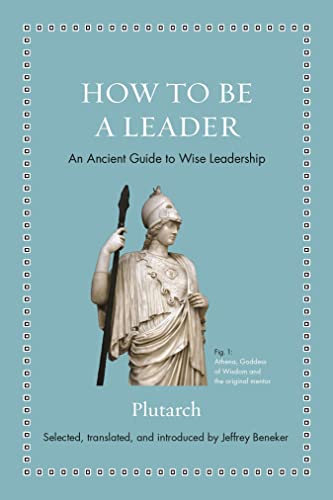
The Pocket Oracle and Art of Prudence vs How to Be a Leader
The Pocket Oracle and Art of Prudence by Baltasar Gracián focuses on the mastery of discretion and reserve (192 pages (~3.8h read)), whereas How to Be a Leader by Plutarch examines public service vs. vanity (344 pages (~6.8h read)).