Plutarch

Quick Facts
Introduction
Plutarch (Lucius Mestrius Plutarchus; c. 46 AD – after 119 AD) was a Greek Middle Platonist philosopher, biographer, magistrate of Chaeronea, and senior priest at Delphi, famous for Parallel Lives and Moralia (modern leadership excerpts published as How to Be a Leader).
Rather than cataloging every battle, Plutarch zoomed in on small remarks and private habits of Greek and Roman statesmen to trace vanity, flattery, temper, and civic restraint.
Early Life
Born around 46 AD to a respected family in Chaeronea, Boeotia, Plutarch studied philosophy and rhetoric in Athens under Ammonius and traveled to Alexandria and Rome, where imperial friendships gained him Roman citizenship.
Education
Trained in Athens in Platonist philosophy, rhetoric, and natural sciences under Ammonius, Plutarch preferred teaching and civic duties in his hometown rather than settling permanently in Rome.
Career & Contributions
Balancing thirty years as senior priest at the Sanctuary of Apollo at Delphi, local magistrate, and philosophy teacher, Plutarch left two enduring works:
- Parallel Lives: Pairs forty-eight surviving biographies of Greek and Roman leaders—Alexander with Julius Caesar, Demosthenes with Cicero—explicitly stating small private gestures disclose character better than sprawling sieges.
- Moralia Essays: Offers practical Greco-Roman guidance on spotting sycophants (How to Tell a Flatterer from a Friend), cooling anger before speaking, listening humbly, and bearing political exile—excerpted in How to Be a Leader (2019).
Collaborations & Intellectual Exchanges
Ammonius of Athens
Plutarch's philosophical mentor in Athens, featured directly as an honored teacher in several Moralia dialogues.
Quintus Sosius Senecio
Roman senator and consul under Trajan to whom Plutarch dedicated Parallel Lives and Table Talk, cementing Greco-Roman literary exchange.
Major Achievements & Honors
- Authored Parallel Lives and over sixty ethical essays collected as Moralia.
- Served roughly thirty years as senior priest at Delphi and Roman procurator in Achaea.
Legacy & Historical Impact
Plutarch died after 119 AD. His character portraits shaped Montaigne's Essays, Shakespeare's Roman tragedies, and Renaissance political writing, though modern historians remind readers he wrote ethical biography rather than strict chronological journalism.
Books by Plutarch
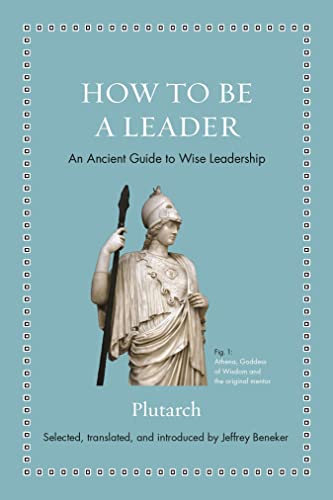
How to Be a Leader
Plutarch


