The Prince
Classic Treatise on Power, Statecraft, and Pragmatism
Machiavelli discards moral utopianism to document the cold mechanics of political survival in fractured environments.
As an Amazon Associate, Science Petal earns from qualifying purchases made through links at no additional cost to you.
About the Book
The classic Renaissance treatise analyzing how rulers actually acquire, hold, and defend political power in competitive realities.
A sovereign who attempts to act virtuously in all circumstances will inevitably fall among competitors who do not play by moral rules.
Key ideas
- Manage Fortuna with Virtù: Luck shapes half of human outcomes, but foresight and bold preparation build the dikes that control floodwaters.
- Feared Rather Than Loved: Love is maintained by an easily broken bond of obligation; fear of tangible consequence keeps allies and rivals reliable.
- Avoid Half-Measures: Neutrality in a clash of powers leaves you prey to the victor and despised by the defeated; take clear, decisive stances.
Why You'll Love This Book
- Drawing on Cesare Borgia, Roman generals, and Florentine civil strife, Machiavelli analyzes power as an empirical science of incentives, fear, and decisive timing.
- Presents structured arguments and concrete examples without unnecessary academic jargon.
- Examines virtù vs. fortuna, loved vs. feared, and arms and allies through concrete cases and practical examples.
- Gives readers a clear vocabulary and reference points they can revisit in everyday work.
Problem Solved
The Prince provides unsentimental solutions for navigating treacherous competitive environments:
- Naive Idealism in Competitive Hierarchies: Removes the dangerous assumption that rivals will behave with goodwill when power is on the line.
- Paralysis from Indecision: Demonstrates why decisive action, even when flawed, preserves authority better than timid hesitation.
- Vulnerability to False Allies: Warns against relying on auxiliary or mercenary forces who lack genuine skin in the game.
Final Verdict
A foundational work of political realism that remains unmatched in its blunt analysis of power dynamics.
“He who neglects what is done for what ought to be done, sooner effects his ruin than his preservation.”
Compare Before You Decide


The Prince vs The Pocket Oracle and Art of Prudence
The Prince by Niccolò Machiavelli focuses on virtù vs. fortuna (112 pages (~2.5h read)), whereas The Pocket Oracle and Art of Prudence by Baltasar Gracián examines the mastery of discretion and reserve (192 pages (~3.8h read)).
The Prince vs How to Be a Leader
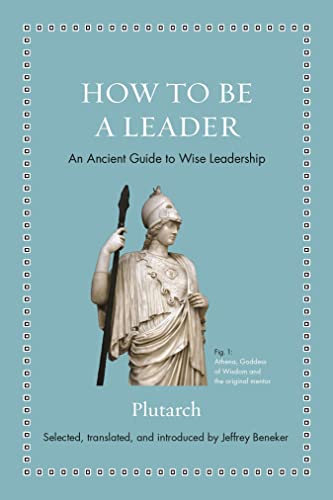
The Prince by Niccolò Machiavelli focuses on virtù vs. fortuna (112 pages (~2.5h read)), whereas How to Be a Leader by Plutarch examines public service vs. vanity (344 pages (~6.8h read)).