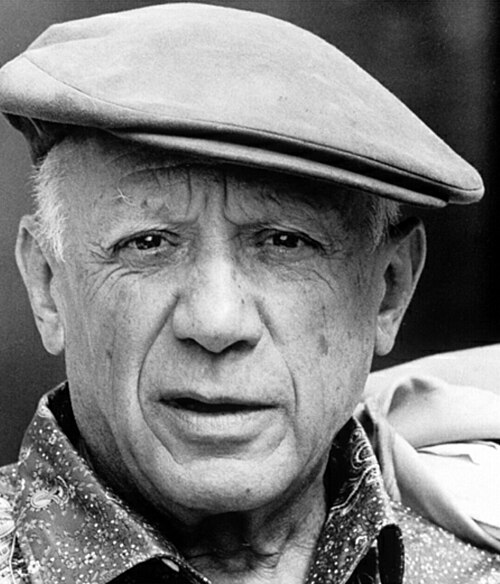
David Bayles

Quick Facts
Introduction
David Bayles (born 1942) is an American fine-art photographer, forest conservationist, teacher, and co-author alongside Ted Orland of Art & Fear: Observations on the Perils (and Rewards) of Artmaking (1993). Born without institutional hype and distributed primarily via independent artist word-of-mouth over thirty years, Art & Fear grew into an underground creative classic read across art schools, software engineering teams, and writing workshops worldwide.
Rather than preaching inspirational slogans or technical camera tricks, Bayles and Orland diagnosed the quiet psychological attrition that causes millions of students to abandon making art: confusing inner aesthetic taste with early technical execution, and waiting for magical “talent” instead of completing ordinary studio work.
Early Life
Born in 1942 in the United States and drawn early to Pacific Northwest landscapes and black-and-white analog darkroom craft, Bayles absorbed an unpretentious, craftsman-oriented creative ethos—observing firsthand how gifted young photographers frequently quit within two years after leaving university critiques simply because real life offered no structured deadlines.
Education
Bayles studied fine art at the University of California, Santa Cruz, earning a Bachelor of Arts in Fine Arts, while receiving direct darkroom and workshop mentorship from American nature photographers Ansel Adams and Brett Weston—learning that expressive visual prints emerge from relentless technical calibration, rejected test strips, and decades of unglamorous film discipline.
Career & Contributions
Settling in Eugene, Oregon, while balancing fine-art natural-world photography (specifically examining human encroachment and forest ecology, backed by a National Endowment for the Arts Fellowship), Bayles partnered with Ted Orland to capture seven years of working-studio observations in Art & Fear:
- Quitting vs. Failing: Diagnosed why virtually every artist quits not because they lack talent, but because they stop making work—treating inevitable imperfect early works as permanent verdicts on their worth rather than normal calibration output.
- The Gap Between Vision & Craft: Observed that every time an artist completes a new piece, their refined critical judgment leaps slightly ahead of their physical execution—meaning self-doubt never disappears with mastery unless makers learn to love making independently of external applause.
- Realistic Craft Nuance: Bayles and Orland reject romantic “lone tormented genius” myths, emphasizing that enduring artmaking resembles woodworking or marathon pacing—shaped by honest peer critique, economic survival logistics, and returning faithfully to the studio desk on uninspired Tuesdays.
Collaborations & Intellectual Exchanges
Ted Orland
Shared decades of California/Oregon darkroom practice and co-authored Art & Fear (1993, Santa Cruz / Eugene), turning joint workshop insights into a permanent survival manual for working makers.
Ansel Adams & Brett Weston
Studied darkroom craft and tonal mastery under West Coast modernist icons Ansel Adams and Brett Weston.
Ira Glass
Glass's celebrated formulation of 'The Taste Gap' directly echoes Bayles and Orland's core insight about beginners quitting while their ambition outstrips their early skill.
Major Achievements & Honors
- Awarded a National Endowment for the Arts (NEA) Photography Fellowship for natural-world environmental photography.
- Co-authored Art & Fear (1993), becoming a perennial classic taught across art schools, design studios, and creative workshops.
Legacy & Ongoing Influence
Living and working in Eugene, Oregon, David Bayles leaves a lasting studio ethic built around showing up consistently even when uncertainty feels uncomfortable—reminding creators that “uncertainty is an inescapable companion of real creation,” not a warning sign to quit.
Books by David Bayles

Art & Fear
David Bayles & Ted Orland