
The Art of Reading Minds
How to Understand and Influence Others Without Them Noticing
Swedish mentalist Henrik Fexeus decodes nonverbal communication, revealing how posture matching and micro-signals create instant trust.
As an Amazon Associate, Science Petal earns from qualifying purchases made through links at no additional cost to you.
About the Book
Henrik Fexeus translates the techniques of performance mentalism into practical cognitive communication tools. He demonstrates that our bodies continuously broadcast our unspoken thoughts through subtle eye movements, breathing shifts, and muscle tension.
By learning to observe these physical micro-signals and respectfully matching postural rhythms, readers can detect hesitation, build instant trust, and steer negotiations with mutual goodwill.
Key ideas
- Mirroring Creates Unconscious Safety: Gently reflecting another person's posture and cadence establishes nonverbal rapport and reduces defensiveness.
- Micro-Expressions Reveal Hidden Hesitation: Brief facial shifts around the eyes and mouth signal disagreement before a person articulates it verbally.
- Persuasion Requires Empathetic Calibration: You cannot guide another person toward agreement until you accurately identify their current emotional state.
Why You'll Love This Book
- Fexeus grounds psychological tricks in actionable interpersonal exercises that improve negotiation, social confidence, and emotional empathy.
- Offers brisk chapters, interactive exercises, lighthearted humor, and immediately applicable communication tips.
- Examines physical posture and rapport matching, micro-expressions and emotional leakage, and subconscious verbal anchoring through concrete cases and practical examples.
- Gives readers a clear vocabulary and reference points they can revisit in everyday work.
Problem Solved
Many people feel blind during negotiations or social encounters. Fexeus gives readers actionable observational tools:
- Decoding Silent Objections: Recognize crossed arms, leaning away, and shifting feet before verbal disagreements derail discussions.
- Building Instant Rapport: Use respectful mirroring to help interviewers and negotiation partners feel understood and relaxed.
- Clear Communication: Eliminate conflicting body signals that cause mixed messages in personal and professional relationships.
Final Verdict
An accessible, engaging, and practical guide that turns everyday conversation into a rich study of human psychology and nonverbal rapport.
“Reading minds is nothing more than understanding what someone is saying with their body when their mouth stays shut.”
Compare Before You Decide

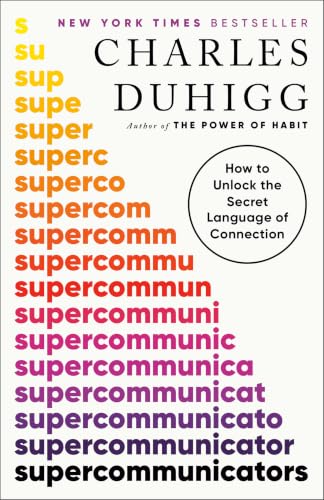
The Art of Reading Minds vs Supercommunicators
The Art of Reading Minds by Henrik Fexeus focuses on physical posture and rapport matching (256 pages (~5.5h read)), whereas Supercommunicators by Charles Duhigg examines the three conversations (practical, emotional, social) (320 pages (~6.4h read)).

The Art of Reading Minds vs What Great Storytellers Know
The Art of Reading Minds by Henrik Fexeus focuses on physical posture and rapport matching (256 pages (~5.5h read)), whereas What Great Storytellers Know by Bernadette Jiwa examines storytelling as a cultivated discipline (224 pages (~4.5h read)).


