
Nonviolent Communication
A Language of Life (3rd Edition)
Clinical psychologist Marshall Rosenberg lays out a four-step habit—observations, feelings, needs, and clear requests—for resolving tense talks without attacks or silence.
As an Amazon Associate, Science Petal earns from qualifying purchases made through links at no additional cost to you.
About the Book
Marshall Rosenberg teaches readers how to separate raw facts from moral labels, name core feelings and needs, and listen with empathy under pressure.
Most arguments stall because people trade judgments and veiled demands instead of naming plain facts, genuine emotions, and clear requests.
Key ideas
- Strip Labels Out of Observations: Say "you arrived twenty minutes past nine twice this week" instead of "you are always careless," so the listener stops defending.
- Spot Disguised Thoughts Inside Feelings: Phrases like "I feel ignored" carry a blame story; naming actual feelings like hurt or anxious lowers tension fast.
- Check Whether a Request Is a Demand: If you punish someone who says no, you gave a command rather than a real request.
Why You'll Love This Book
- Gives concrete word-for-word sentence patterns to replace blame.
- Includes practice dialogues from real marriages, classrooms, and clinics.
- Works just as well for listening to anger as for setting your own boundaries.
Problem Solved
Tough talks often spiral into defensiveness or silent resentment. Nonviolent Communication offers direct fixes:
- Ending Harsh Argument Openers: Replaces character attacks with neutral observations that keep the other person engaged.
- Handling Hostility Calmly: Trains you to hear the fear or frustration behind rude words instead of taking the bait.
- Making Clear Action Requests: Replaces vague complaints with specific next steps someone can act on right now.
Final Verdict
A foundational communication manual whose four-part method helps disarm blame in both family disputes and workplace talks.
Marshall Rosenberg built this four-part process across forty years of mediation in schools, hospitals, workplaces, and conflict zones in over sixty countries.
“Every criticism, judgment, and expression of anger is the tragic expression of an unmet need.”
Compare Before You Decide

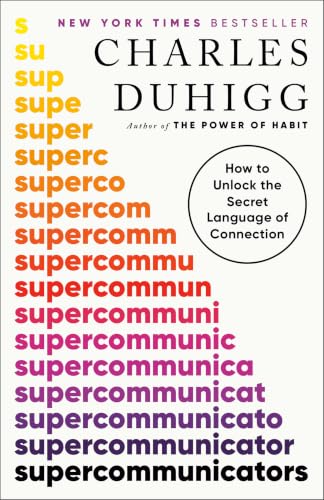
Nonviolent Communication vs Supercommunicators
Nonviolent Communication by Marshall B. Rosenberg, Ph.D. focuses on the four-step ofnr model (264 pages (~5.5h read)), whereas Supercommunicators by Charles Duhigg examines the three conversations (practical, emotional, social) (320 pages (~6.4h read)).

Nonviolent Communication vs What Great Storytellers Know
Nonviolent Communication by Marshall B. Rosenberg, Ph.D. focuses on the four-step ofnr model (264 pages (~5.5h read)), whereas What Great Storytellers Know by Bernadette Jiwa examines storytelling as a cultivated discipline (224 pages (~4.5h read)).


